Dry stone walling across the Dales
Nothing holds it up but the weight of the stones.
Laid dry since before the enclosures, and still the way it is done
How a wall goes up.
Stone, sorted, and stone put back.
Upland boundary walls, garden walls, retaining walls, gateways and steps. Anything laid dry.
Where the walls are.
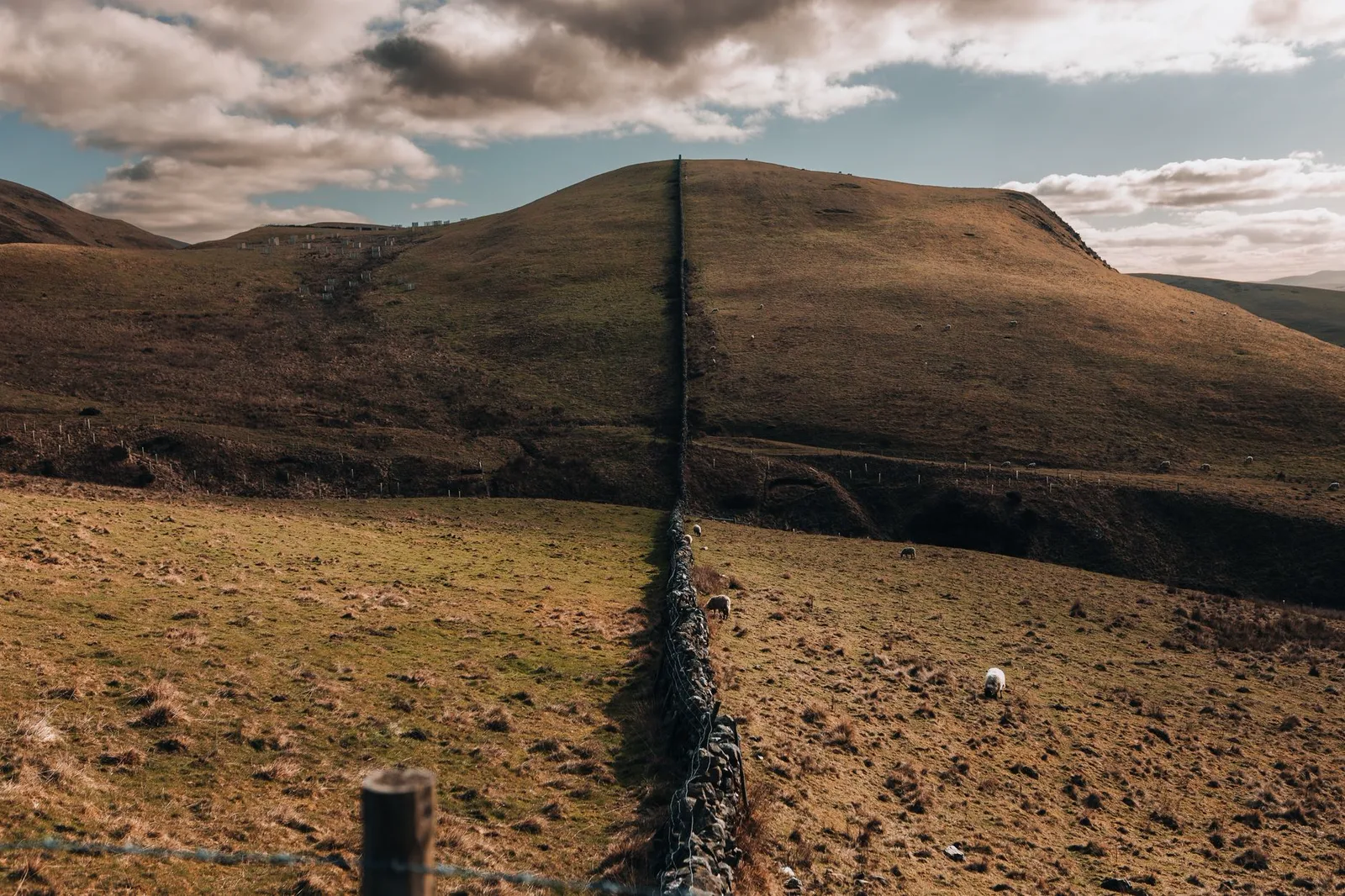
Most of the work is within an hour of the yard, on ground above the seven hundred foot line where a hedge will not grow and a fence rots in ten years.
The questions that come first.
What does it cost?
Walling is priced by the metre run. A field wall rebuilt from its own stone is a hundred and forty pounds a metre. A garden wall with stone brought in is two hundred and ten. Gateways, steps and curved retaining walls are quoted on their own.
Do you use the stone that is already there?
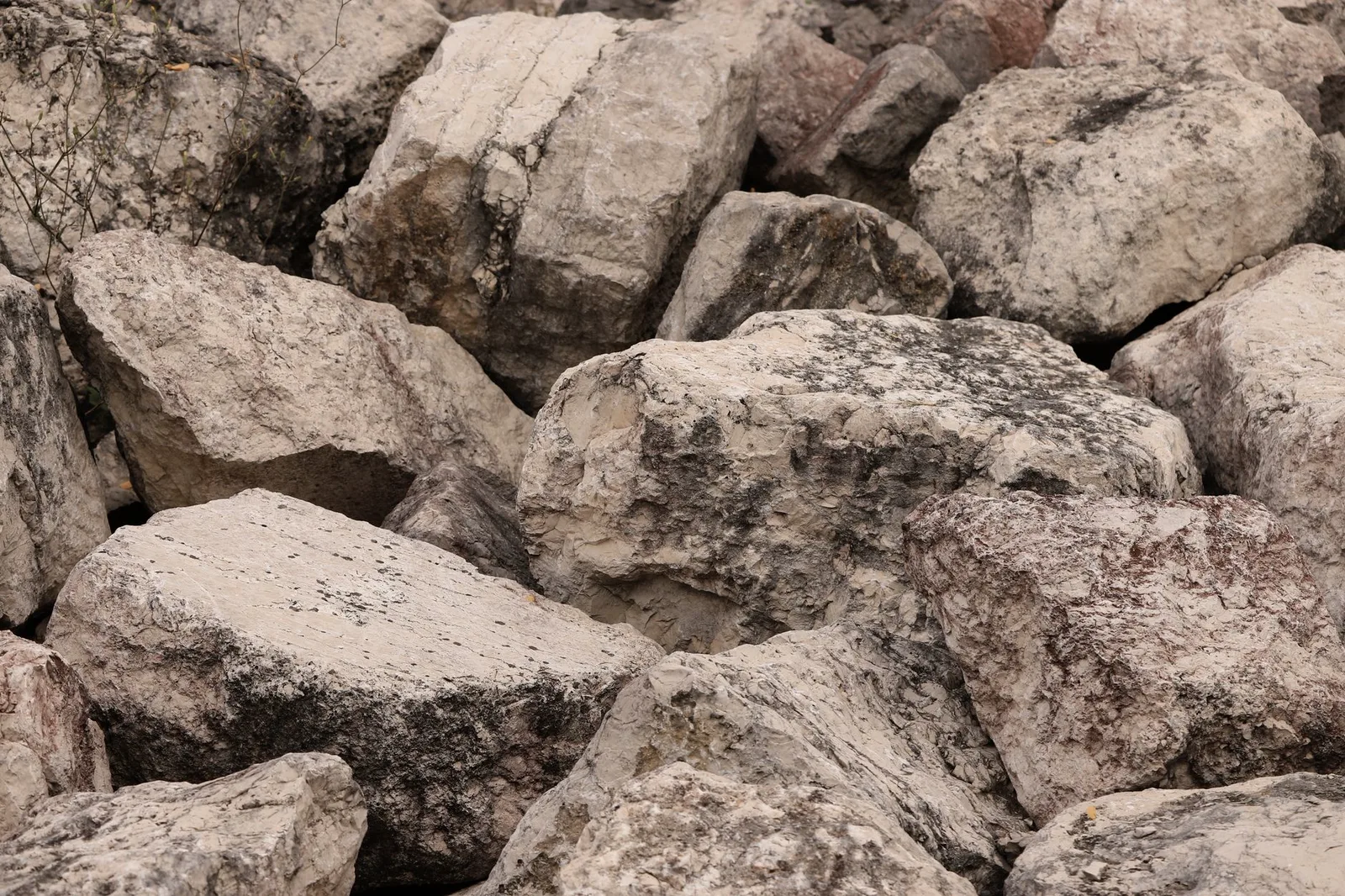
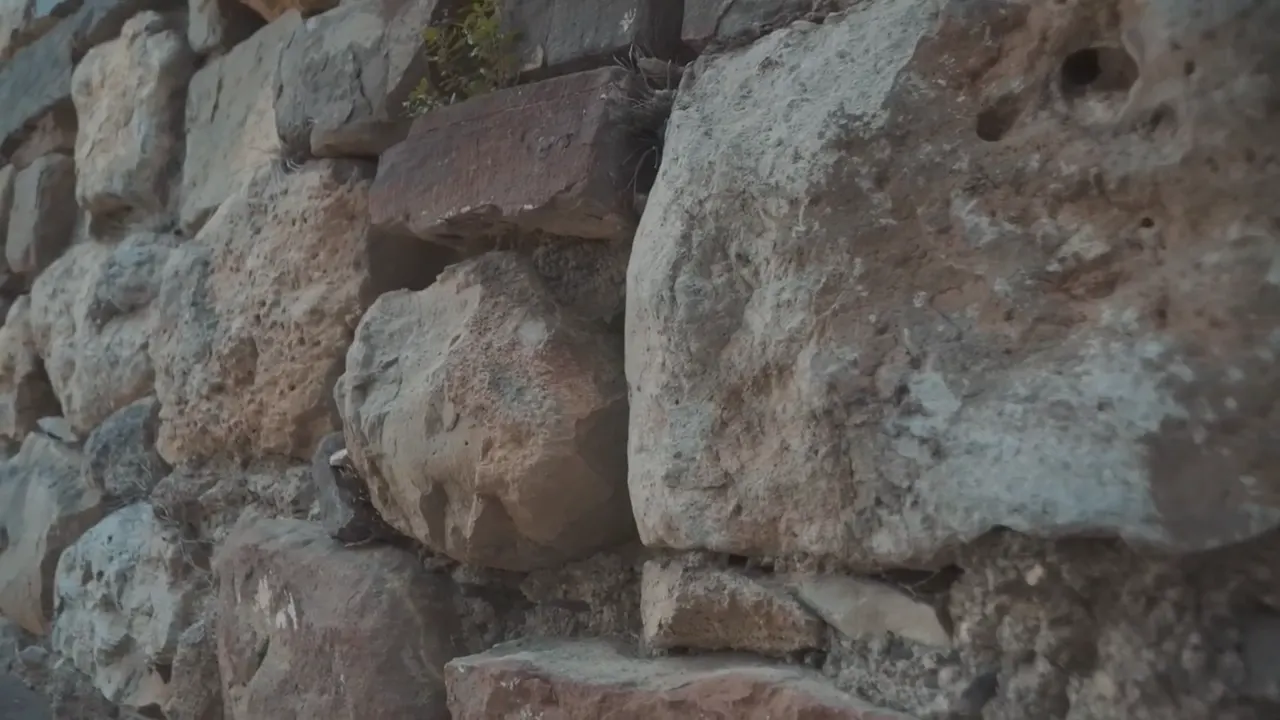
Almost always. A wall that has come down has everything it needs lying beside it, and stone that has weathered in place for two hundred years beds better than anything off a lorry.
How long does a length take?
One waller builds about three and a half square metres a day. Twenty metres at chest height is a fortnight for the two of us, weather allowing.
Will it come down again?
Walls fail for three reasons: no throughstones, hearting shovelled in loose, and stock rubbing a weak end. All three are dealt with in the rebuild, and the work is guaranteed for ten years.
Is any of it mortared?
Only where it has to be. Retaining walls above a footpath and gate cheeks either side of a road are pinned. Everything else is laid dry.
Do you work on listed and conservation walls?
Yes. Course heights, stone size and the cope pattern are matched to what is standing either side, and the parish is sent drawings before anything is touched.
Send a photograph of the gap.
Tell us roughly how long the run is and where the field is. We come out and quote standing in front of it, which costs nothing.