01
Two nights, any month
The shortest stay we take, and the reason is cloud. One night is a gamble on the weather. Two is a fair chance of one clear one, and if both are clear you will not want to leave.
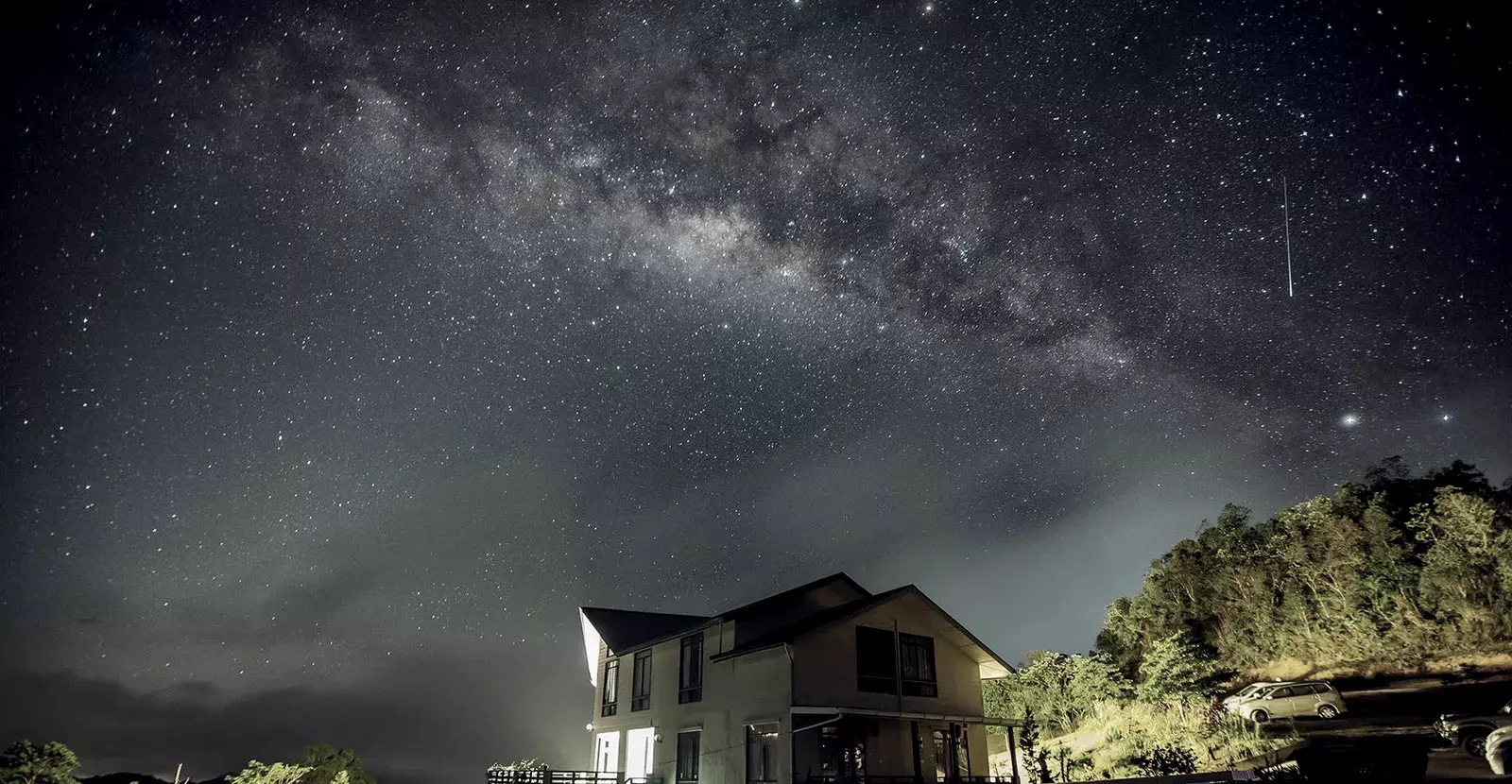
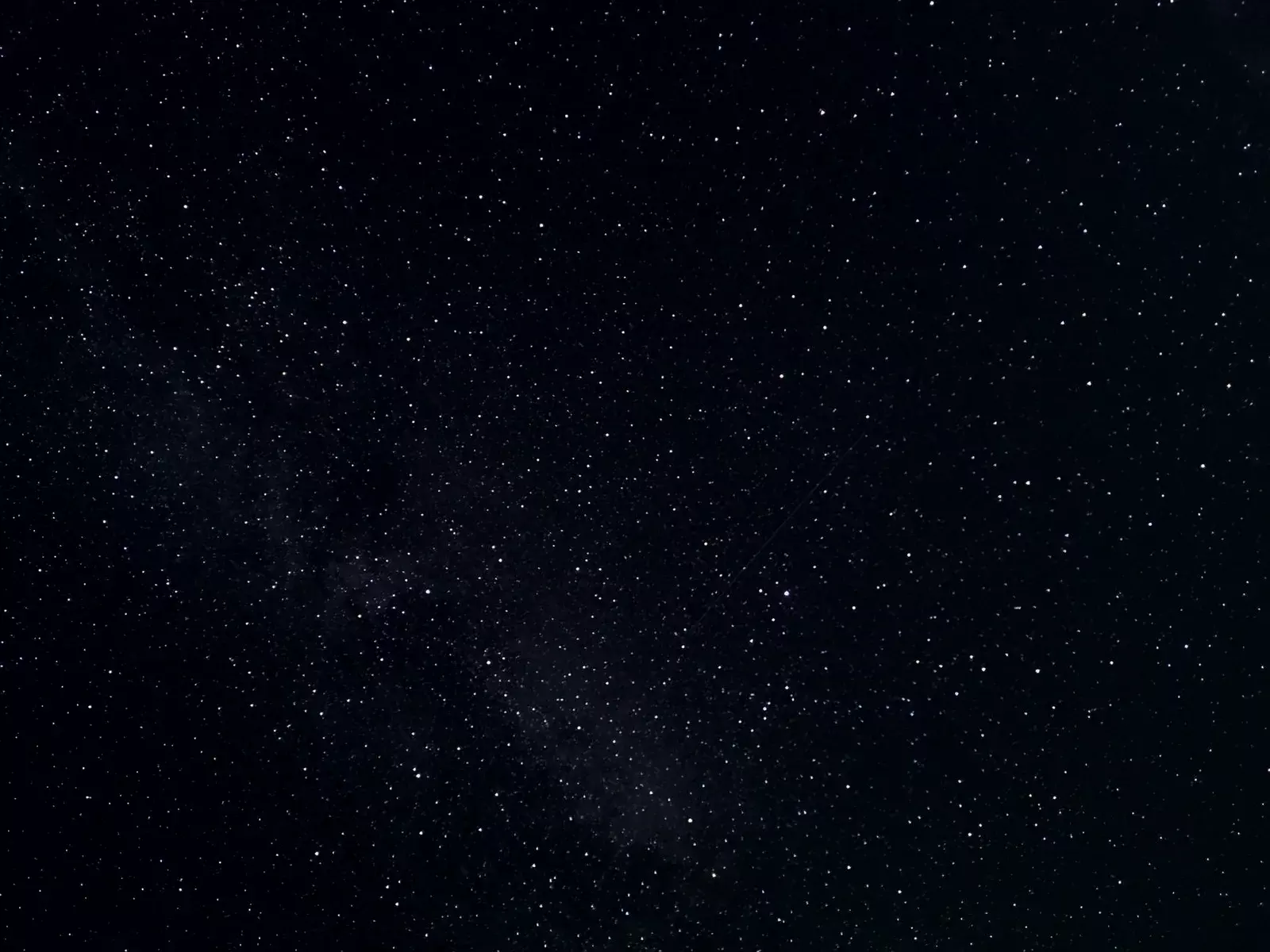
A house on the moor with no light for three miles, and a telescope standing in the garden. Two nights minimum, all year round.
The house sleeps four and you get all of it. What changes is how many nights, and how much of the sky comes with them.
The shortest stay we take, and the reason is cloud. One night is a gamble on the weather. Two is a fair chance of one clear one, and if both are clear you will not want to leave.
Seven nights either side of new moon, when there is no moon above the horizon for most of the night. This is the week people come back for, and it is booked further ahead than the rest of the year put together.
A fortnight between November and February, cheaper by the night because the weather owes you nothing at that time of year. The nights are sixteen hours long and the stove is lit before you arrive.
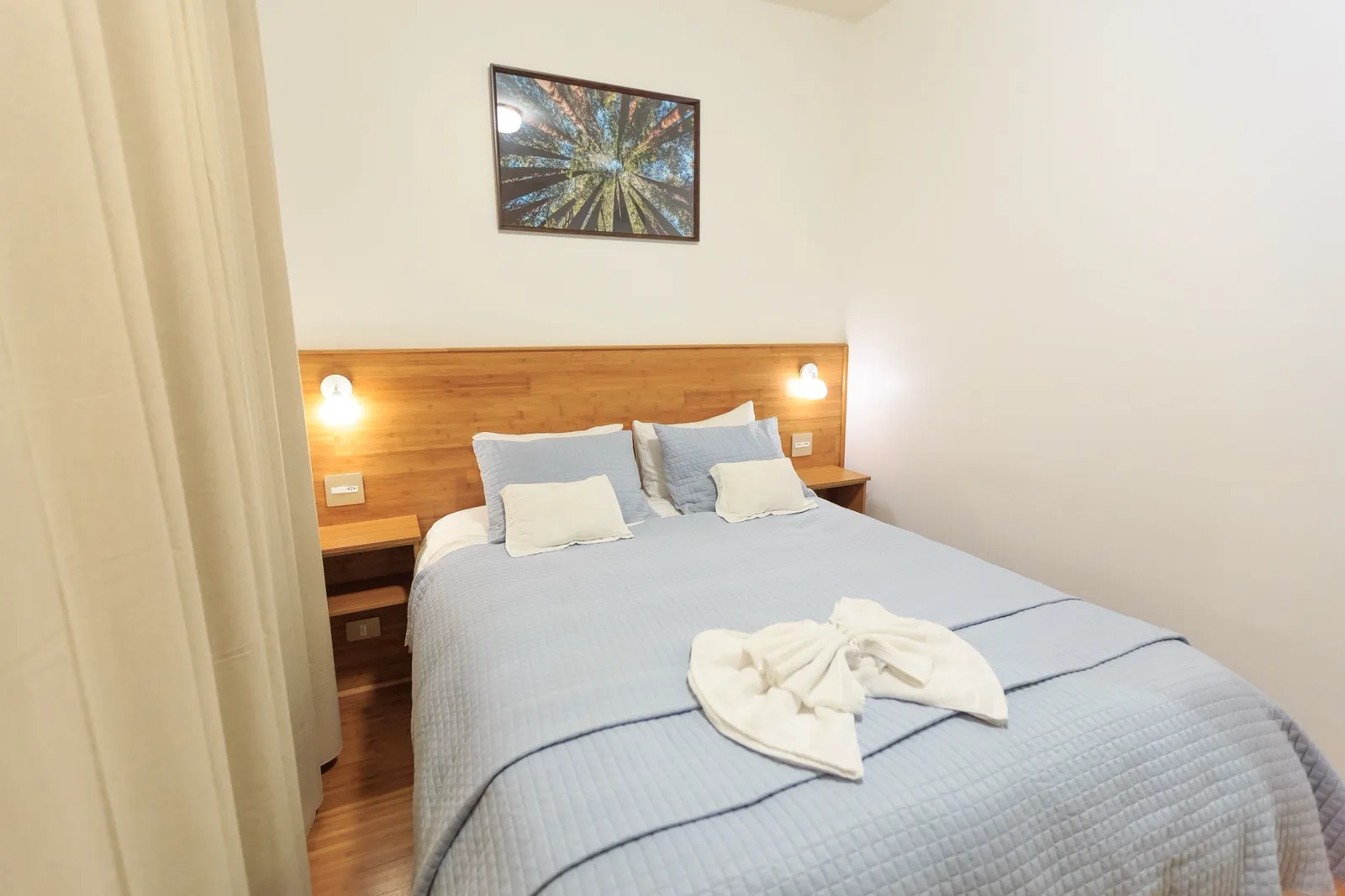
The sky is the part of the booking that changes month to month. This is the honest version of it, including the months that are harder work.
The best of the winter sky and the easiest thing in it to find. The nebula under the belt shows in the eyepiece as a grey green smudge with four stars inside it, which is the moment most people stop being polite about telescopes.
The spring sky looks away from the plane of the Milky Way, so the field goes thin on stars and thick with other galaxies. They are faint, and this is the month where a moonless week is worth planning around.
Cygnus overhead and the summer band running from the north east to the south west. The nights are short and it is not properly dark until nearly midnight, so this is the month the kettle earns its place.
Two and a half million light years away, and on a clear night here you can see it with your eyes. Most people do not believe it is possible until they are standing in the garden doing it.
From this latitude it stays above the horizon all year, so it is up whichever week you come. Learn the W and you can step off it to find Andromeda, which is the first thing we show anybody who arrives without a clue.
Four of you, a stove that does the heating and a garden that ends at the moor. The sky is the reason to come and the house is the reason you can stand being out in it.
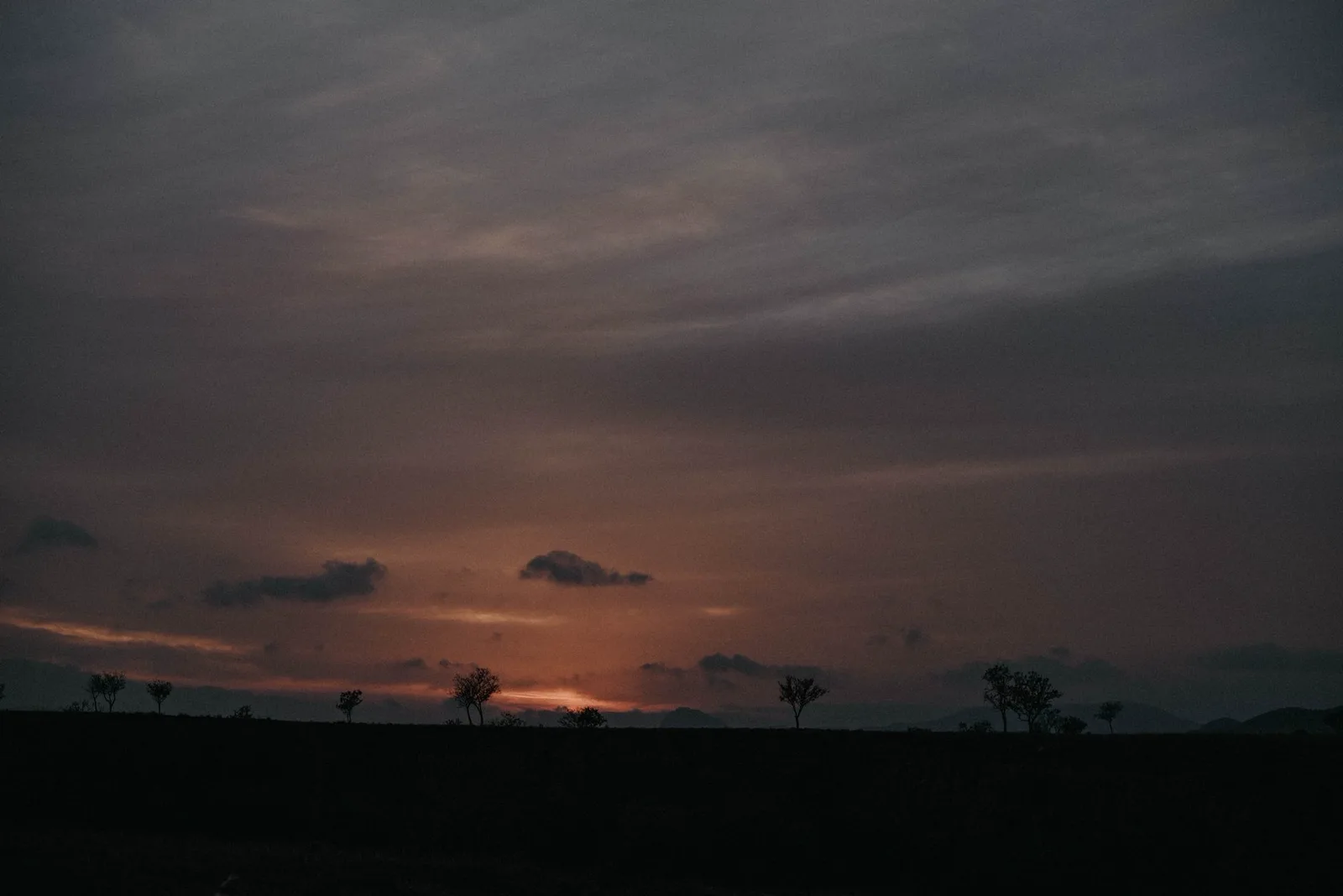
The first night nobody sleeps, and by the third everybody is out at two in the morning in a coat over their pyjamas. That is the holiday. The house is only where you go to get warm again.
Tell us roughly when, and how many of you. We will say which weeks are dark, which are already gone, and which we would not take your money for.