01
Play the ones on the wall
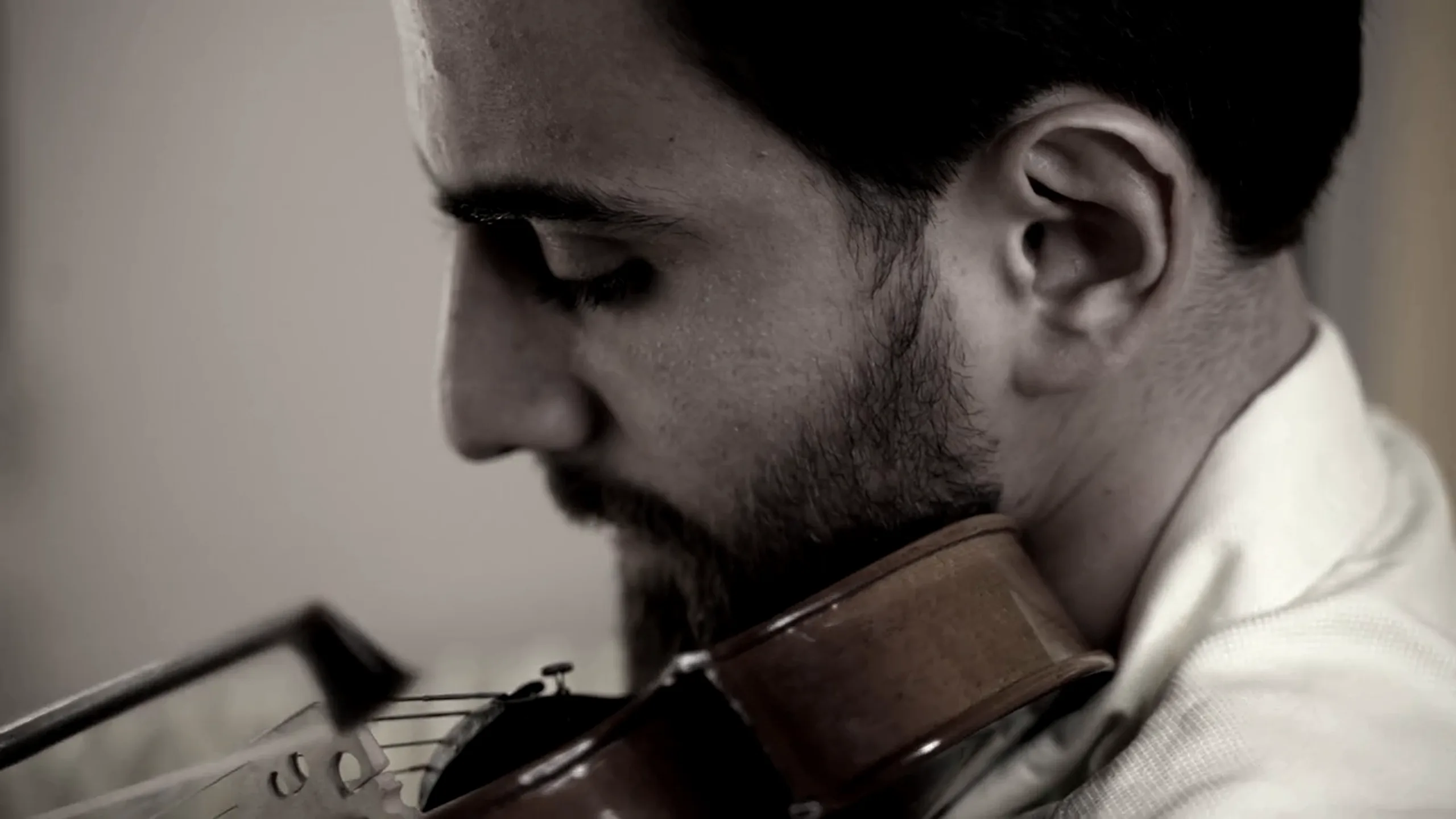
There are usually two or three finished instruments in the workshop. Play them first. If one of them is right, take it and there is nothing to commission and nothing to wait for.
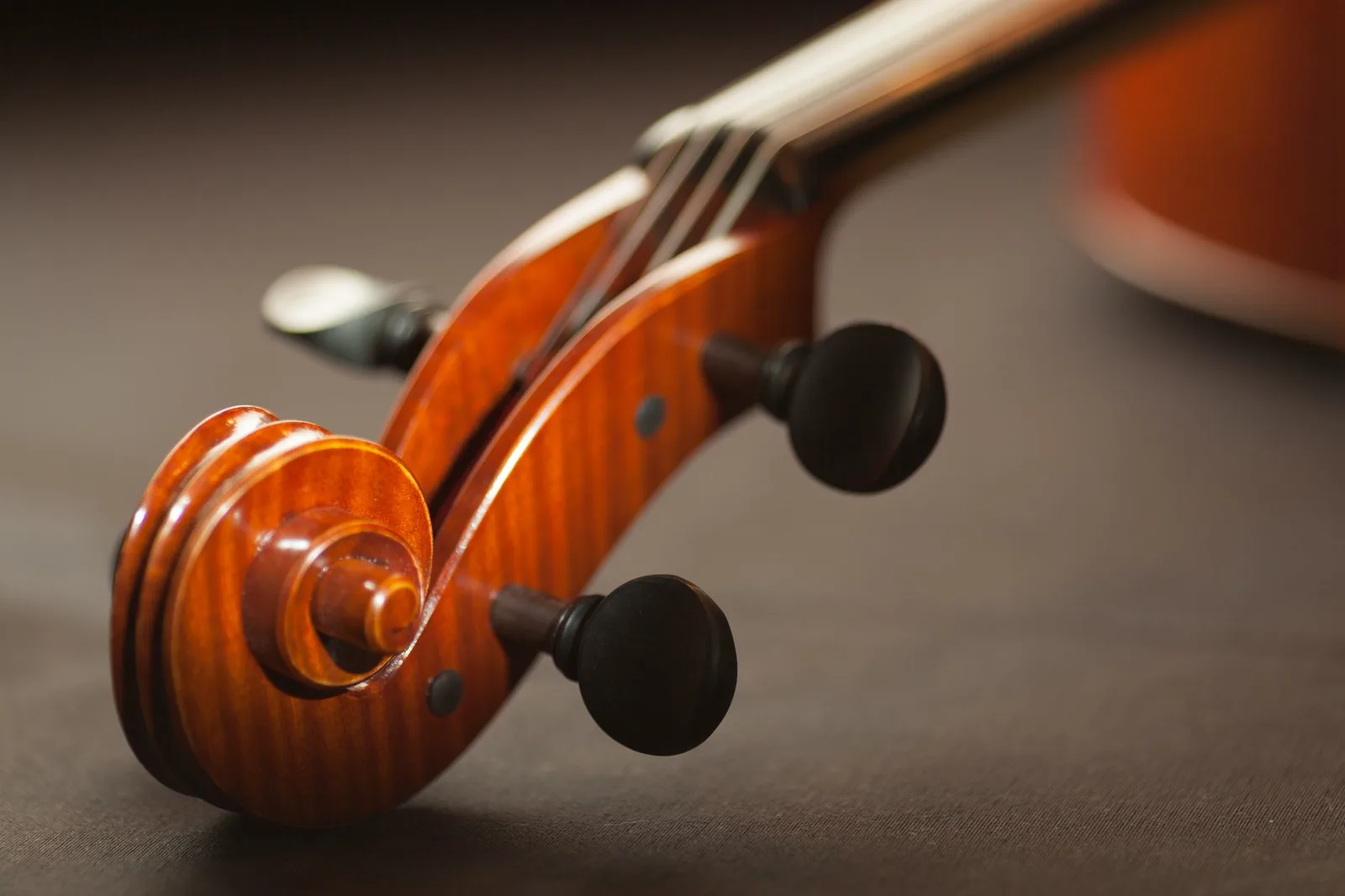
Violins and violas made one at a time, then set up to the hand that will play them.
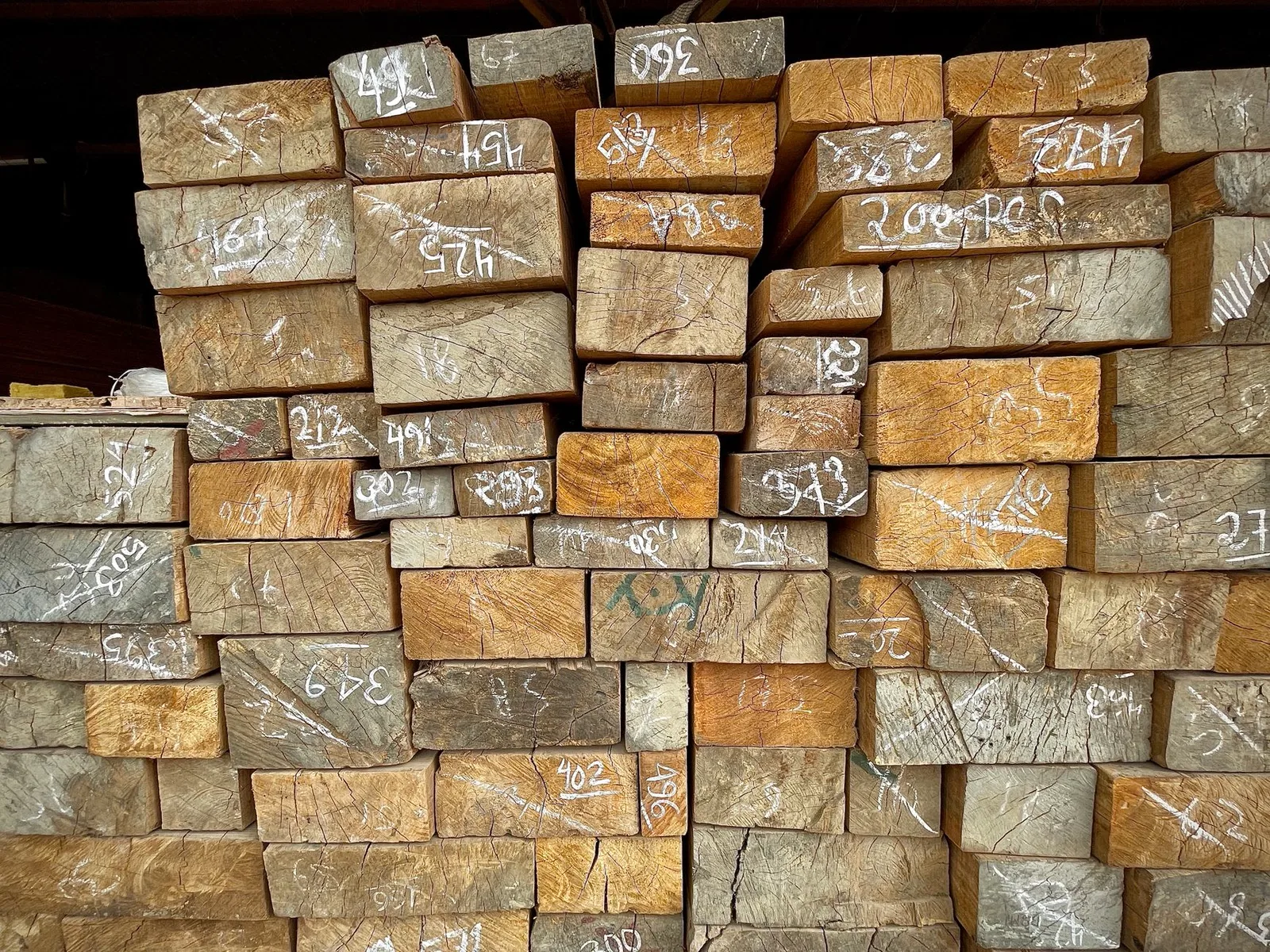
Commission an instrumentAlpine spruce for the belly, maple for the back. Both are split rather than sawn, so the cut follows the tree instead of the blade.
10 yearsIn the rack before it is touched
It is built to be opened again, and everything holding it shut gives way to warm water.
The bridge is cut to your fingerboard and the soundpost moved a fraction at a time until the instrument speaks evenly on all four strings.
Setup, and the first year of adjustment, are in the price
Six of the seventy odd pieces inside a violin, and what each one is there to do.
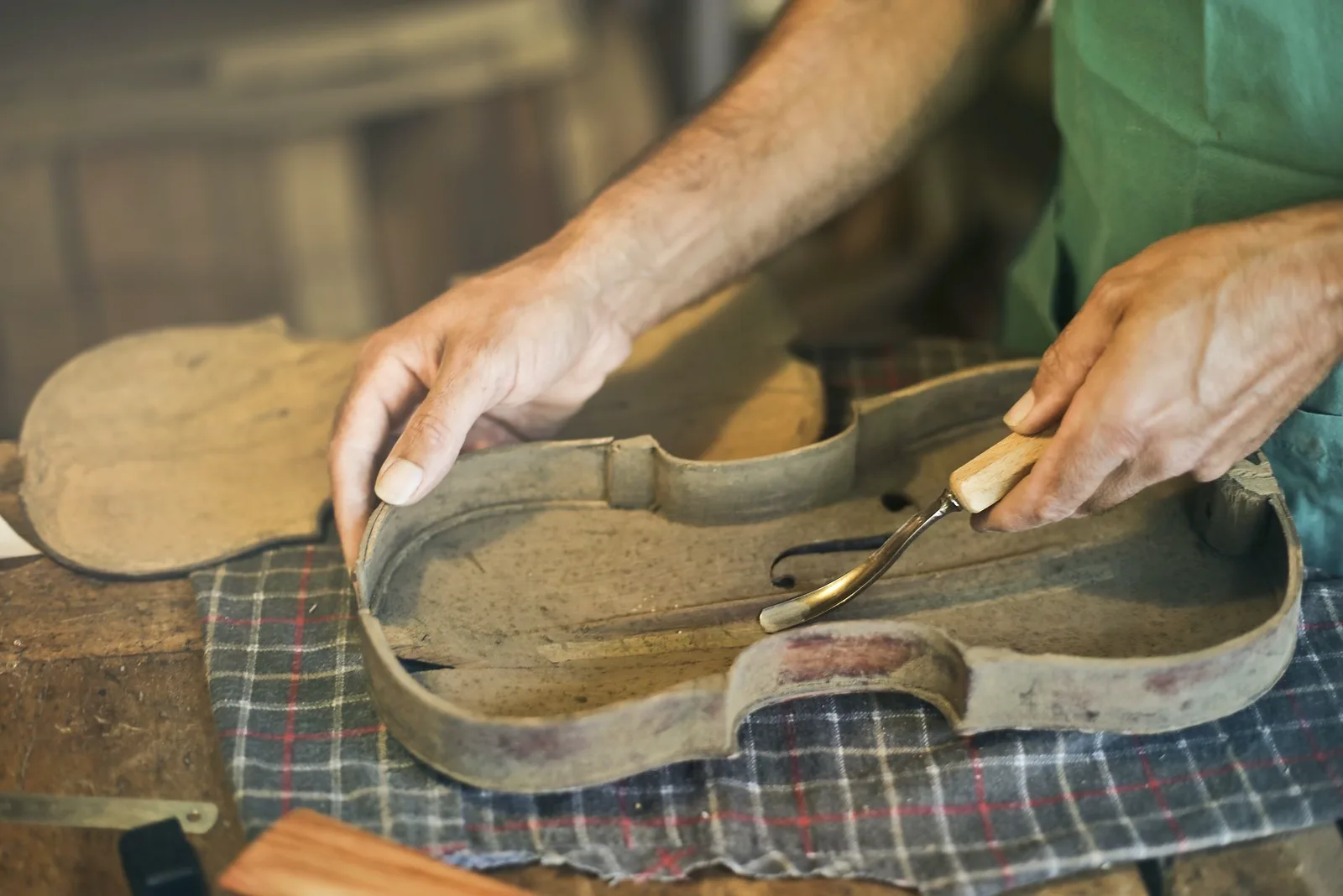
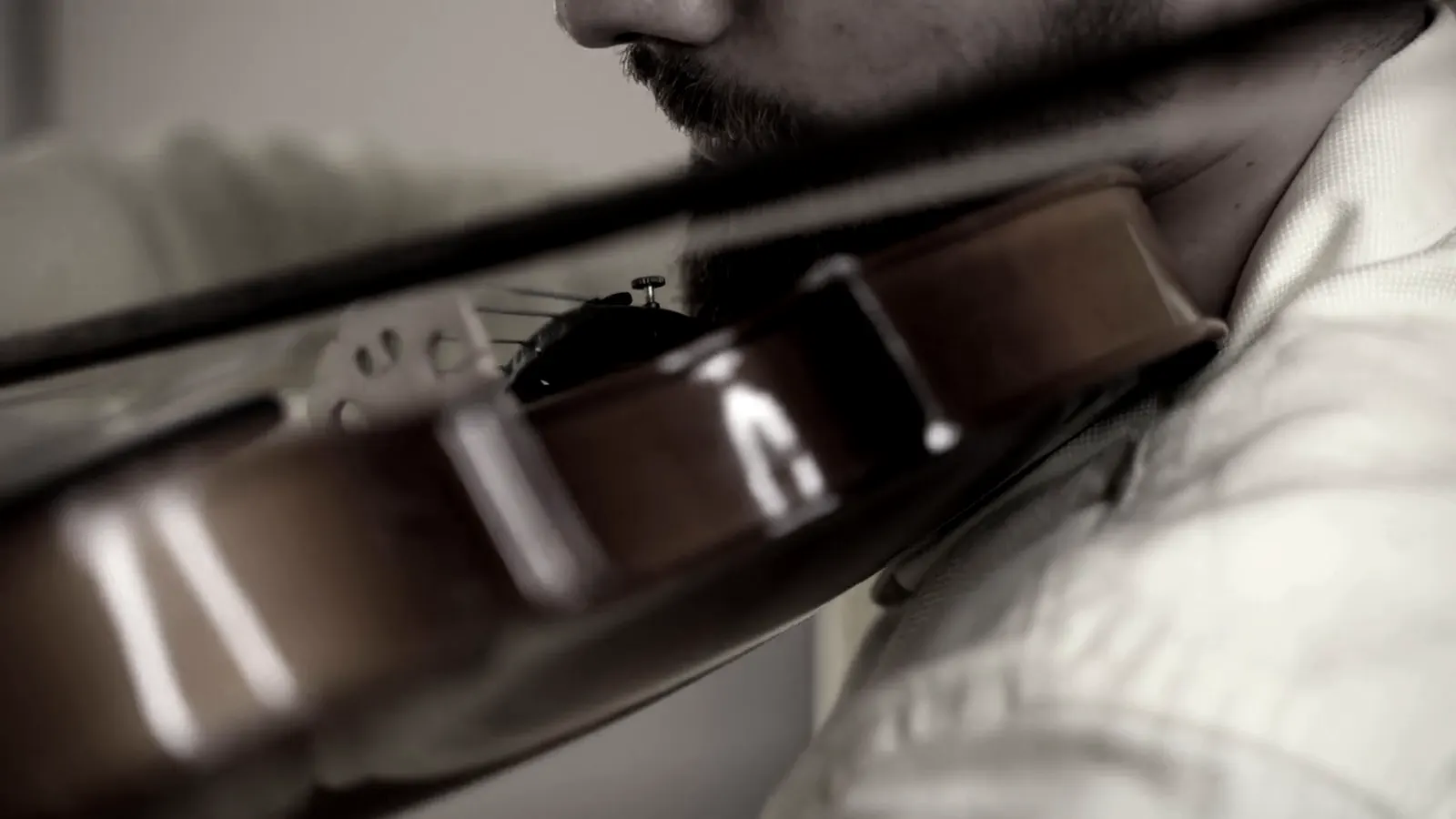

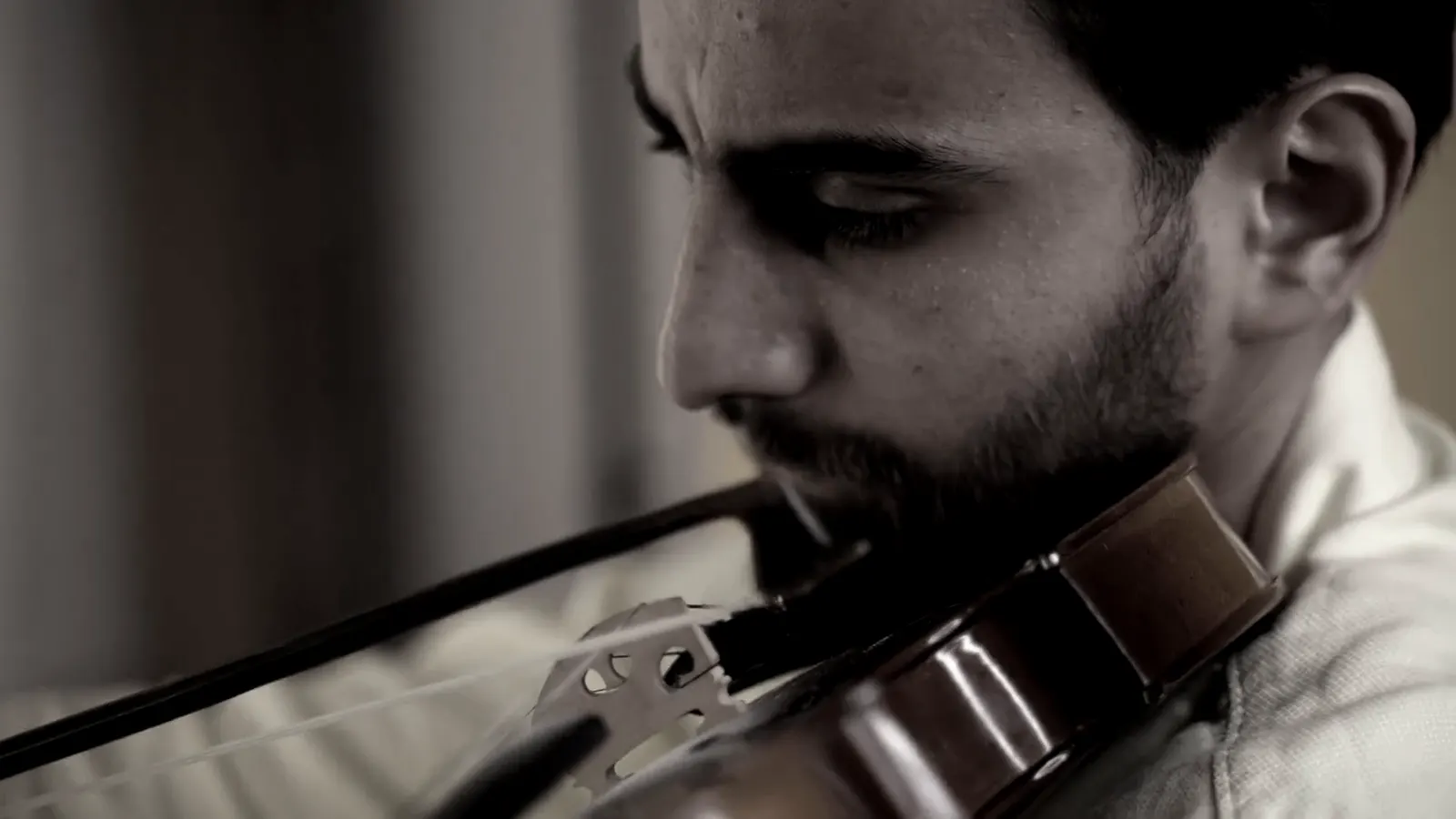
Most of a violin is waiting. The parts that decide how it sounds take a fortnight, and the varnish alone takes six weeks.
You pick a piece of maple off the rack and it is cut in two and opened like a book, so the figure runs out from the centre joint in both directions.
Rib stock is thinned to a millimetre, bent over a hot iron and glued to corner blocks on a wooden mould that comes out again at the end.
Belly and back worked down with a gouge and a thumb plane, then graduated until the thickness is right everywhere. This is where the sound is decided and it cannot be undone.
Bass bar sprung into the belly, linings cleaned up, neck set at the angle that fixes the string height. Then the belly goes on with hide glue and the inside is out of reach.
Ground, colour, then clear coats, hung in the window to dry between each one. Nothing about this part can be hurried and it is most of what you are waiting for.
Bridge cut, soundpost fitted and moved a fraction at a time, strings on, and a fortnight of playing it in before you are asked to come and take it away.
A new instrument has no history, so everything you hear in it is the wood and the work. Give it thirty years and somebody will tell you it was always good.
The honest answer is that you should play what is already here before you pay for something that does not exist yet.
There are usually two or three finished instruments in the workshop. Play them first. If one of them is right, take it and there is nothing to commission and nothing to wait for.
Maple is stacked and numbered in the rack by the window. You pick the piece, and you see it again as a finished plate before the box is closed over it.
String height, bridge curve and soundpost are set to your hand rather than to a chart. That is a morning in the workshop with you in the room and the instrument under your chin.
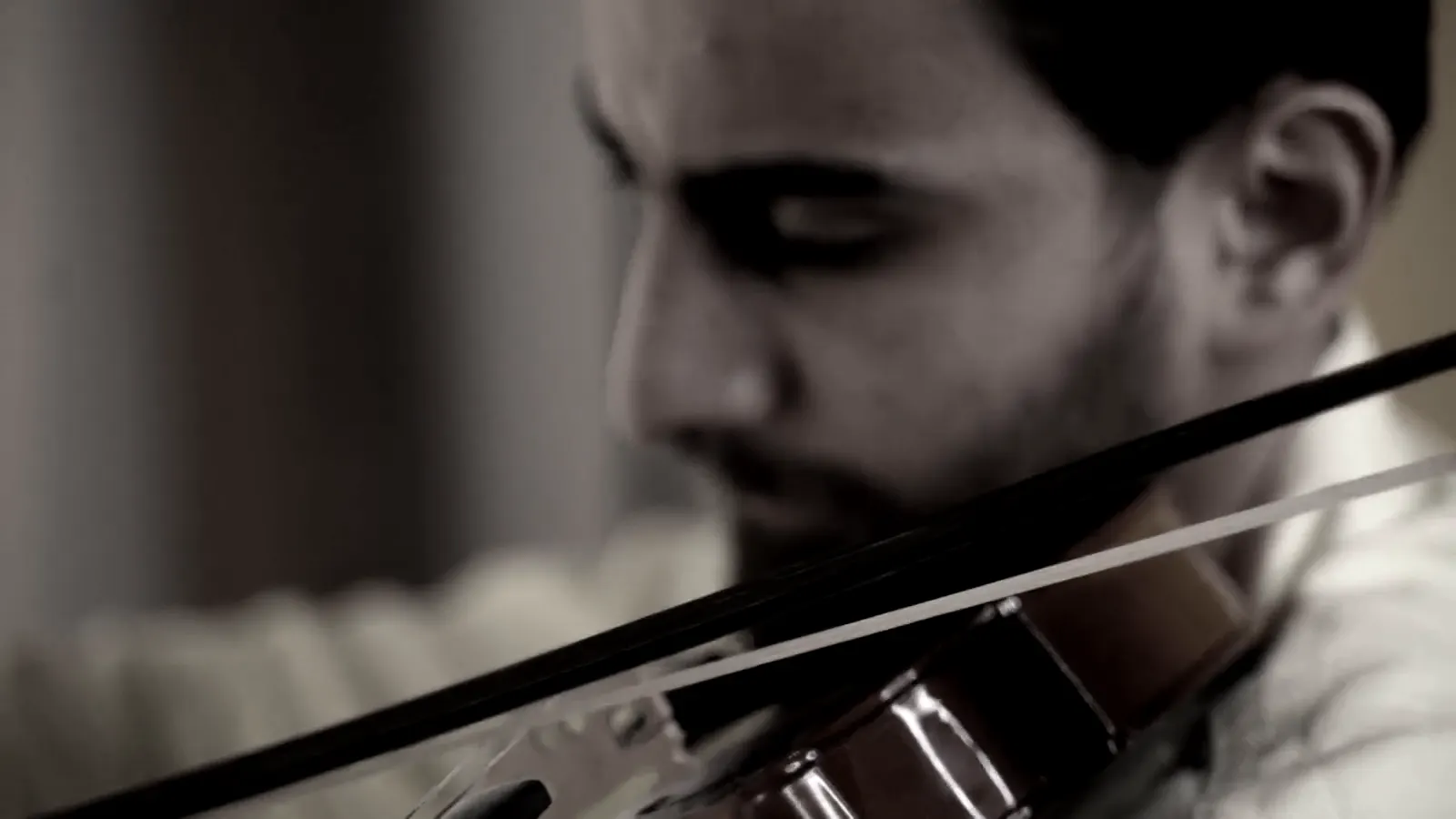
A new instrument moves as it settles and the first winter changes it. Bring it back as often as it needs through the first year and there is nothing to pay.
Tell us what you play now and what you want it to do differently. We reply with a date to come to the workshop.